
How Often Should Medical Cold Rooms Be Serviced in the South East of England?
Introduction
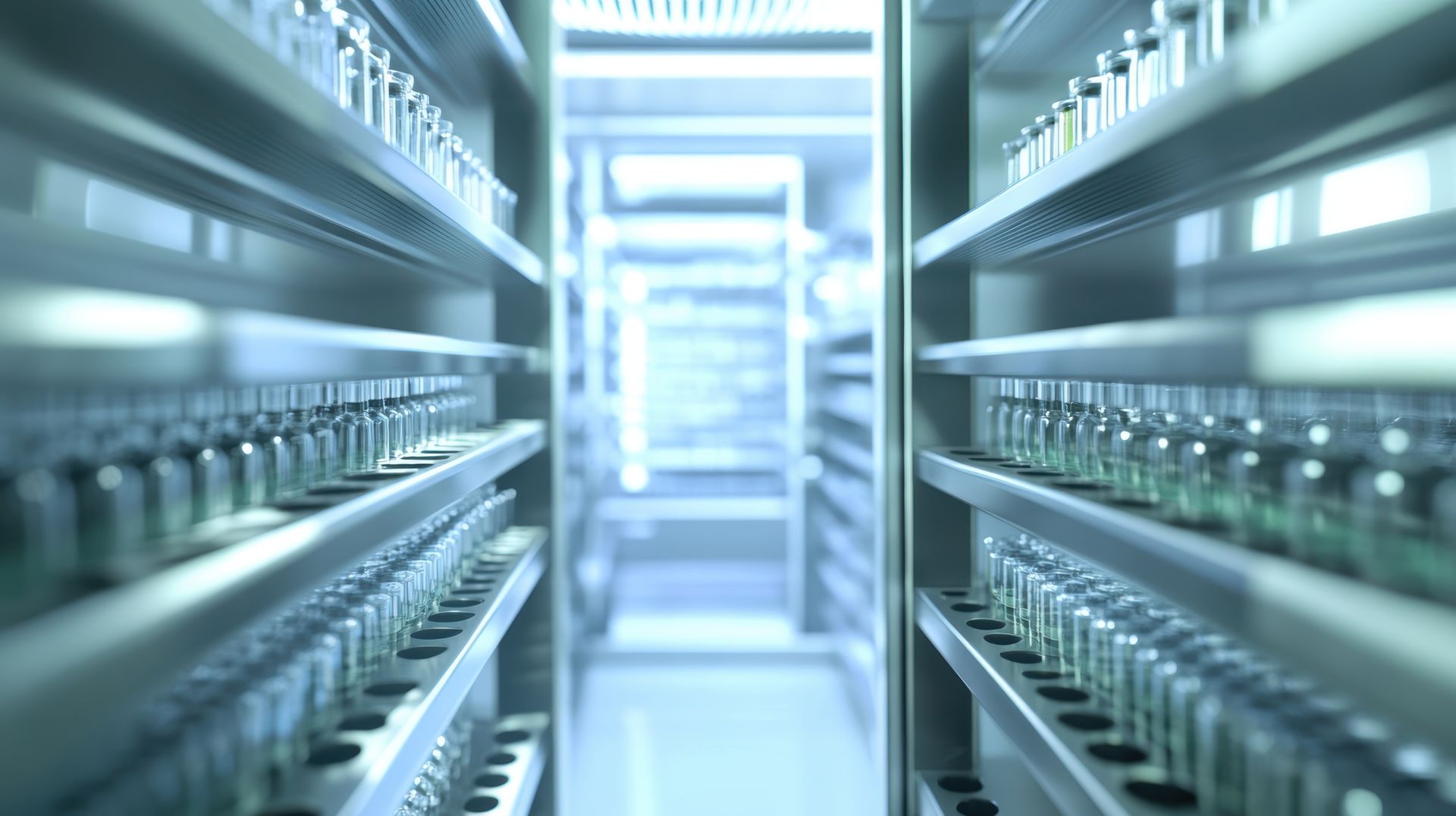
Medical cold rooms are used throughout healthcare, pharmaceutical and laboratory environments to maintain stable temperatures for sensitive products, samples and controlled storage applications. Across the South East of England, these systems often operate continuously within facilities where reliable refrigeration performance is essential for maintaining environmental consistency and supporting day-to-day operations.
Over time, refrigeration systems naturally experience wear. Components begin operating less efficiently, monitoring systems may drift and airflow performance can gradually decline. While these changes are not always immediately obvious, they can eventually affect temperature stability and increase the likelihood of refrigeration faults or operational disruption.
Regular servicing plays an important role in maintaining reliable cold room performance and helping refrigeration systems operate consistently throughout the year.
Medical cold rooms often operate under continuous demand
Unlike standard commercial refrigeration systems, medical cold rooms are frequently required to maintain tightly controlled environmental conditions around the clock. Many facilities depend on stable refrigeration performance to protect temperature-sensitive products and maintain regulated storage conditions across multiple operational areas.
Because these systems rarely experience prolonged downtime, refrigeration equipment is often exposed to continuous operational demand. Compressors, evaporators, condensers and circulation systems gradually experience wear as refrigeration systems work constantly to maintain stable temperatures.
Within busy medical and laboratory environments, repeated door access and changing environmental conditions can increase refrigeration demand even further, particularly during warmer periods across the South East of England.
Servicing helps identify performance issues before faults develop
In many cases, refrigeration systems begin showing subtle signs of declining performance long before a major failure occurs. Cooling cycles may become longer, recovery after door openings may slow down or temperature consistency may begin fluctuating slightly throughout the day.
Without regular servicing, these smaller changes can gradually develop into larger operational issues that affect overall environmental stability.
Structured cold room servicing allows engineers to assess refrigeration performance, inspect key system components and identify developing faults before they begin causing more significant refrigeration problems. This preventative approach helps reduce the likelihood of unexpected system failures and emergency repair situations.
Temperature monitoring systems also require regular assessment
Temperature monitoring systems play a critical role within medical cold rooms because they help maintain accurate environmental control across the storage environment.
If sensors begin drifting out of calibration or monitoring systems stop reporting accurately, refrigeration systems may not respond correctly to temperature changes within the cold room. This can lead to inconsistent cooling performance, unstable refrigeration cycles or unnecessary alarm activity.
Regular servicing allows engineers to assess monitoring performance and identify calibration or control issues before they begin affecting environmental stability more seriously.
Airflow problems can affect temperature consistency
Cold rooms rely on balanced airflow to distribute cooled air evenly throughout the environment. Even where refrigeration equipment itself is functioning correctly, restricted airflow can still create uneven temperature conditions across the storage area.
Blocked evaporators, inefficient circulation fans or poorly organised storage layouts can all affect airflow performance over time. Within medical and laboratory environments, these inconsistencies can become problematic because stable conditions are often required across the entire controlled space.
Routine servicing helps ensure airflow systems continue operating efficiently and that refrigeration performance remains stable throughout the cold room.
Environmental conditions can increase refrigeration strain
Cold room systems operating across the South East of England are often exposed to changing environmental conditions throughout the year. During warmer periods, refrigeration systems may experience significantly higher operational demand as external temperatures increase.
Facilities with frequent access, busy operational schedules or continuous refrigeration loads may notice systems working harder to maintain stable temperatures during these periods. If refrigeration equipment is already experiencing reduced efficiency, environmental demand can place additional strain on the system and accelerate performance decline.
This is one of the reasons why preventative maintenance and planned refrigeration servicing remain so important within regulated environments.
Small warning signs should not be ignored
Many refrigeration faults begin with relatively small warning signs that gradually become more noticeable over time. Increased alarm activity, fluctuating temperatures and longer compressor run times are often early indicators that refrigeration efficiency is beginning to decline.
Facilities may also notice increasing energy usage or slower recovery following repeated door openings. While these changes may initially appear minor, they can eventually develop into larger refrigeration faults if system performance continues deteriorating.
Identifying these issues early through planned servicing and preventative maintenance helps reduce the likelihood of unexpected refrigeration breakdowns and temperature instability.
Preventative maintenance supports long-term cold room reliability
Regular servicing forms an important part of wider preventative maintenance planning for medical cold rooms. By monitoring refrigeration performance consistently and identifying gradual component wear early, facilities can improve long-term system reliability and reduce operational risk.
Preventative maintenance also allows refrigeration systems to operate more efficiently over time, helping maintain stable environmental control across pharmaceutical, medical and laboratory environments where refrigeration consistency is essential.
For many facilities across the South East of England, maintaining reliable cold room performance is critical for supporting operational continuity and protecting temperature-sensitive storage environments.
Maintaining stable medical cold room performance across the South East of England
Medical cold rooms operating across the South East of England are often exposed to continuous operational demand, changing environmental conditions and increasing refrigeration strain over time. Without regular servicing and preventative maintenance, refrigeration systems can gradually lose efficiency and become more vulnerable to faults or temperature instability.
By monitoring refrigeration performance closely, maintaining structured servicing schedules and identifying early warning signs promptly, facilities can reduce the likelihood of unexpected refrigeration failures and maintain more stable environmental conditions. Reliable cold room performance remains essential for healthcare, pharmaceutical and laboratory environments where consistent temperature control is required every day.