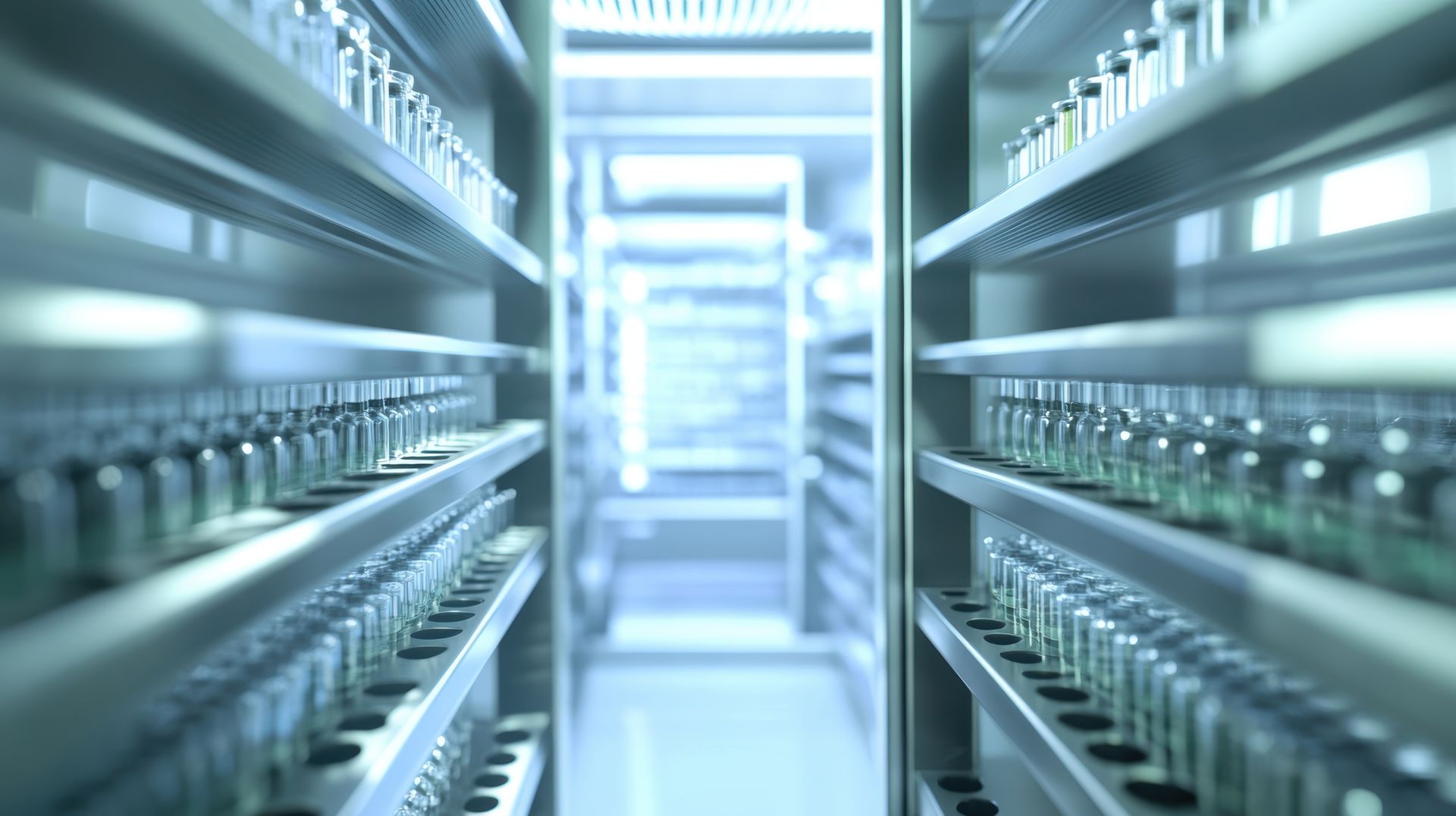

Managing Temperature Excursions in Pharmaceutical Cold Rooms
Temperate Excursion in Cold Rooms
Temperature excursions are one of the most common — and most scrutinised — events in pharmaceutical cold room operations. Unlike a full system failure, an excursion may be brief or intermittent, but its implications can be just as serious if not handled correctly.
For facilities, QA, and estates teams, knowing how to identify, manage, and document temperature excursions is essential for protecting product integrity and maintaining compliance.
What Constitutes a Temperature Excursion?
A temperature excursion occurs when conditions inside a cold room move outside defined, validated limits. This may be triggered by equipment performance issues, airflow disruption, control system faults, or operational factors such as door access.
In regulated environments, even short excursions can raise questions around product safety, monitoring accuracy, and system control. The issue is not only what happened, but whether the organisation can demonstrate that it understands why it happened and how risk was managed.
Why Excursions Require Immediate Attention
Temperature excursions often
indicate an underlying issue rather than a one-off anomaly. Repeated or unexplained deviations can suggest problems with sensors, refrigeration performance, airflow balance, or control logic.
If excursions are not addressed promptly, they may:
- Recur unpredictably
- Escalate into wider system instability
- Lead to audit findings or product impact assessments
- Undermine confidence in monitoring data
- Early intervention reduces the risk of repeat events and supports compliance.
Immediate Steps Following an Excursion
When an excursion is detected, the priority is to stabilise conditions and preserve data. Monitoring records, alarms, and system logs should be reviewed and retained, as they form the basis of any investigation or deviation report.
Facilities teams should assess whether the excursion is ongoing, whether conditions have returned to normal, and whether any immediate containment actions are required. Clear communication between facilities, quality, and operations teams is essential during this stage.
The Role of Specialist Engineering Support
Temperature excursions often require specialist assessment to determine root cause. While internal teams may manage initial response, deeper investigation typically involves reviewing system performance, sensor accuracy, and environmental control behaviour.
Specialist cold room engineers can help identify whether the excursion was caused by:
- Control system drift
- Refrigeration inefficiency
- Airflow or distribution issues
- External factors such as power instability
This technical insight is critical for preventing recurrence and supporting compliance documentation.
Documentation and Compliance Considerations
From a regulatory perspective, how an excursion is managed can be as important as the excursion itself.
Auditors and inspectors will often review:
- Detection methods
- Response timelines
- Risk assessments
- Corrective and preventative actions
Clear, well-structured documentation demonstrates that the organisation maintains control over its cold room environments, even when deviations occur.
Reducing the Risk of Future Excursions
Proactive maintenance, routine fault finding, and periodic system reviews play a key role in minimising excursion risk. Facilities that address minor performance issues early are less likely to experience significant deviations later.
Pre-emptive checks are particularly valuable ahead of audits, inspections, or periods of increased operational demand.
Final Thoughts
Temperature excursions are a reality in pharmaceutical cold room operations, but they do not have to result in compliance failures or operational disruption. A structured response, supported by specialist engineering insight and clear documentation, helps facilities teams manage risk effectively.
Understanding how and why excursions occur — and acting decisively when they do — is essential for maintaining stable, compliant storage environments.